Will health insurance cover my costs for cannabis?
Unfortunately, health insurance providers are not mandated to cover cannabis expenses at this time. MANTIS_RECOMMEND = { property: '53422cdc8e92f89afbf09d5f', render: 'mantis__recommended__wordpress' }; var z = document.createElement("script"); z.type = "text/javascript"; z.async = true; z.src = "//static.mantis.marketing/recommend.min.js"; var s = document.getElementsByTagName('head')[0]; s.parentNode.insertBefore(z, s); …
Cannabis Infused Cooking Oil
Cannabis infused cooking oils, commonly referred to as canna oils, are popular among many medical marijuana patients and caregivers looking to infuse everything from salad dressings to dipping sauces to baked goods. Most oils are vegan-friendly and extremely easy to add into recipes with savory meals like steak or chicken. Additionally, infused cooking oils may serve as a healthy substitute for butter in many recipes. These factors make marijuana-infused cooking oils a must-have for most medical marijuana patients when it comes to cooking with cannabis at home. How to Make Cannabis Infused Cooking Oil (Canna Oil) Ingredients 6 cups extra …
How to Make Cannabis Infused Butter (Cannabutter)
Cannabis infused butter, otherwise known as cannabutter, is a primary ingredient in many marijuana-infused recipes. Cannabis butter is technically an ‘extraction’ method whereby the cannabinoids, terpenes and flavonoids are extracted from the cannabis plant and infused into the butter fats. The butter from a normal recipe is then substituted with cannabutter to produce psychoactive effects. Cannabis butter is often used in decadent edible recipes (such as brownies), but ultimately its use depends on the cook and his/her personal preferences and/or their dietary needs. It can be made from dried or decarboxylated cannabis buds, trim, solvent-less hash or even sugar leaf.
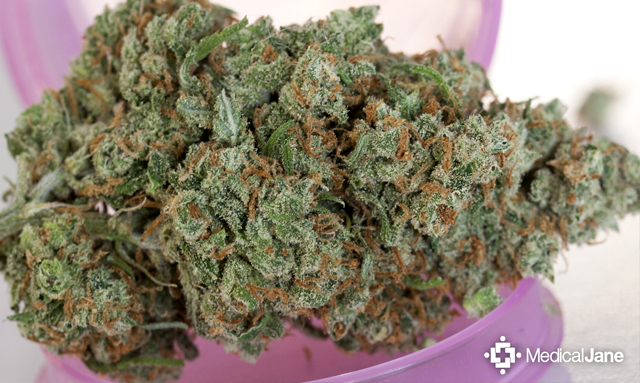
How Much is a Gram, Eighth, Quarter, Half, and Ounce of Weed?
Unless you’re one of the fortunate ones able to purchase cannabis in person at a local dispensary, you’ll generally get your medication from a delivery service, on a street corner, or from a friend [or even a friend of a friend]. Present laws and politics in most jurisdictions differ significantly so there is little chance to compare product, making much of the strain-specific and pricing information unreliable across the board. A strain from one source can differ almost entirely from a strain from another source, even though they have the same strain name. More disturbing, is the fact that some …
The Dangers of Spice & Other Forms of Synthetic Marijuana
Synthetic Marijuana Is Not The Same As Naturally Grown Cannabis Synthetic cannabinoids laced on plant material were first reported in the U.S. in December 2008, when a shipment of “Spice” was seized and analyzed by U.S. Customs and Border Protection (CBP) in Dayton, Ohio. Spice or some other 500 names of synthetic drugs being marketed as “legal highs” or “herbal highs” are far from being equal to cannabis. The cannabis community dislikes the term marijuana or any of its equivalents being used in conjunction with these very dangerous designer-style drugs, e.g., “synthetic marijuana” or “legal weed” because …
The Importance of Personalized Medicine and Its Role in the Cannabis Industry
Also known as “precision medicine, P4 medicine, and/or stratified medicine,” personalized medicine is the practice of tailoring medical decisions, prescriptions, practices, and interventions to a particular individual. The concept is simple, really: no two people share the same exact genetic content; seeing as genetics play a significant role in the efficacy of pharmaceuticals, why should two individuals with different genes be prescribed the same medical treatment? That’s where personalized medicine comes in. Personalized medicine focuses on the model that each individual should undergo diagnostic panels that include, but are not limited to, genome sequencing, blood tests, family …
Study: Vaporizing Marijuana May Prevent Tobacco/Nicotine Dependence
In this letter to the editor/review published in Addiction in November 2015, the authors briefly discuss the available evidence suggesting that vaporizing cannabis, as opposed to smoking it, may reduce the chances that cannabis users will develop a tobacco/nicotine dependence. They also call for increased research into this safer deliver method, commonly known as “vaping.” What is Vaporization? Given the current available and reliable evidence, one of the most harmful aspects of cannabis use is the inhalation of burnt plant material, rather than harm caused directly by cannabis itself. Vaporization of cannabis results from …
Study: Topical CBD Treatment May Reduce Central Nervous System Inflammation
A controlled animal study published in Daru: Journal of Faculty and Pharmacy, Tehran University of Medical Sciences found that topical treatment with 1% purified (i.e. >98%) CBD topical cream may help to reduce damage caused by a disease that results in brain inflammation. This holds relevance for humans with autoimmune diseases that lead to demyelination (damage to the fatty covering around neurons that helps them to transmit signals faster) like multiple sclerosis. Topical CBD vs. Multiple Sclerosis Experiment Using healthy mice and mice with experimental autoimmune encephalomyelitis [(EAE)- encephalo= brain, myel= myelin= …
Study: Marijuana Use Associated With 50% Lower Chance Of Developing Metabolic Syndrome
We’re all familiar with the “stoner” stereotype. Those who smoke marijuana are often portrayed by the media as “lazy” individuals who are prone to get the “munchies” — both of which are leading causes of metabolic syndrome. As such, one may assume that marijuana users would be at greater risk of metabolic syndrome than those who don’t smoke. However, a new study shows that’s just not the case. Cannabis Use Associated with Lower Rates of Metabolic Syndrome According to research published in The American Journal of Medicine, people who currently …
Overdosing on Marijuana: Survival Tips For “Greening Out”
Tetrahydrocannabinol (THC) is a phytocannabinoid that activates the CB1 and CB2 receptors in the body. The CB1 receptors are generally located in the nervous system and they are responsible for the psychoactive effect that THC can cause. The CB2 receptors are more generally located in the immune and gastrointestinal systems. When you smoke or ingest cannabis, THC travels into the bloodstream where it binds to cannabinoid receptors. These receptors affect memory, concentration, pleasure, coordination, sensory and time perception, appetite and many more important functions. Smoking or ingesting too much cannabis in a …