Study: THC May Help to Prevent Transplant Rejection
According to results of an animal study published in Journal of Leukocyte Biology in June 2015, the cannabinoid delta-9-tetrahydrocannabinol (THC) may be a safe and effective alternative or add-on therapy in the prevention of organ and tissue transplant rejection. What is Organ Transplantation? When a person’s organs or tissues begin to fail as a result of disease, a replacement from a donor may be needed in order to increase lifespan. Some commonly transplanted organs and tissues include the kidneys, liver, heart, and bone marrow. While some organs (like the heart) …
Rosin Tech: How To Make Solventless Hash Extractions with Ease
The rosin technique has been gaining a lot of traction in the online cannabis community as of lately and for good reason. Rosin is a solid form of resin that is obtained by adding pressure & heat to vaporize volatile liquid terpenes. Traditionally rosin is produced from pine and is used mainly to treat the bows on violins. However, this technique can be applied in other scenarios, such as creating solventless extractions from your dried herbs. What Is Rosin? A Solventless Extraction Technique Recently the rosin technique has been gaining a lot of traction in the cannabis …

5 Steps To Making A Non-Psychotropic Cannabis-Infused Strawberry Banana Smoothie
Total time: Approx. 5 minutes or less depending on your blender strength Servings: 2-3 Difficulty level: Beginner Vegan and gluten free! What You Will Need: 7-10 raw cannabis leaves, freshly picked (within 2-3 days) 1 cup original hemp milk 1/4 cup of shelled hemp seed 1 large frozen banana 7 large frozen strawberries 1 tablespoon of honey (optional) Sprinkle coconut sugar on top at the end (optional) Steps To Making Cannabis Strawberry & Banana Juice As A Dietary Supplement Start by slicing up your frozen banana depending on your blender strength. Fill blender with 1 cup hemp milk. Add …
How Cannabigerol (CBG) May Help Battle Huntington’s Disease Symptoms
Huntington’s Disease is a genetic disorder that runs in families. If a child inherits the mutated HTT gene from a parent, they will eventually develop Huntington’s Disease at some point in their life. No current treatments can stop or reverse the disease’s progress, and drugs used for symptomatic relief have side effects ranging from fatigue to restlessness. The best possible treatment would be one that directly targets abnormal genes. Interestingly, a compound from cannabis may have this ability. How Cannabigerol (CBG) Fights Huntington’s Disease Most of the research on cannabis has been dedicated to …

Review: Cannabinoid Use in the Management of Gastrointestinal Symptoms
A review published in Current Gastroenterology Reports in February 2015 examined the role of cannabinoids in the treatment of gastrointestinal (GI; the system involved in ingestion and digestion of food, and excretion of waste) symptoms like nausea, vomiting, and visceral pain (pain that originates from in/around organs) and found that certain targeted cannabinoid therapies may be useful in GI disease/disorder management. Background: Cannabinoid Effects on the GI System The researchers note that modulation of the endocannabinoid system (especially the type of cannabinoid receptor found most frequently in the gastrointestinal system, known …
Cannabis Shows Promise for Treating Symptoms of Muscular Dystrophy
Muscular dystrophies refer to a group of diseases that result in progressive degeneration of muscle mass. There are nine major types of muscular dystrophies, each causing unique manifestations of muscular deterioration. Over time, some patients may have trouble breathing or swallowing, and some will lose the ability to sit up or walk. Muscular dystrophy is genetic. Symptoms may start to develop as early as infancy or may not present until later in adulthood. Duchenne Muscular Dystrophy (DMD) is one of the most common types of the disease. DMD appears early in childhood and affects …
Systematic Review: Cannabidiol (CBD) in the Management of Schizophrenia
A recent systematic review published in Schizophrenia Research in March 2015 finds that the use of cannabidiol (CBD), a phytocannabinoid (i.e. a cannabinoid found in the cannabis plant) may be helpful in the management of psychotic symptoms (which are characterized by a “loss of contact with reality”), such as those experienced by individuals with schizophrenia. What is Schizophrenia? Schizophrenia is a psychotic mental health disorder (one characterized by “abnormal thinking and perception”) with co-occurring changes in mood and behavior. Symptoms may include: …
Cannabis Smoke May Benefit Asthma and Lung Functions
The unique nature of cannabis is demonstrated partly by the special characteristics of its smoke. Unlike virtually all other forms of smoke, which impair lung function, cannabis smoke may actually improve it. That being said, vaporizing cannabis is clearly the superior alternative to smoking cannabis, as it provides the medicinal compounds of marijuana without the negative side effects of smoke (such as carcinogens and other cancer-causing chemicals). Regardless, many studies have shown that cannabis use may benefit asthma patients and enhance general lung function by acting as a bronchodilator, rather …
The Endocannabinoid System Helps Maintain Homeostasis
Medicinal cannabis is routinely recommended for a wide variety of conditions. For example, in California, patients can qualify for cannabis medicine if they have AIDS, anorexia, arthritis, cachexia, cancer, chronic pain, glaucoma, migraines, muscle spasms, seizures, nausea, or other chronic symptoms. This begs the question – how can cannabis be recommended for so many different conditions? The answer is the endocannabinoid system. What is the Endocannabinoid System (ECS)? Before discussing the functions of the endocannabinoid system (ECS), it is important to understand its components. The ECS is comprised of cannabinoid receptors, endogenous ligands (binding molecules) for those …
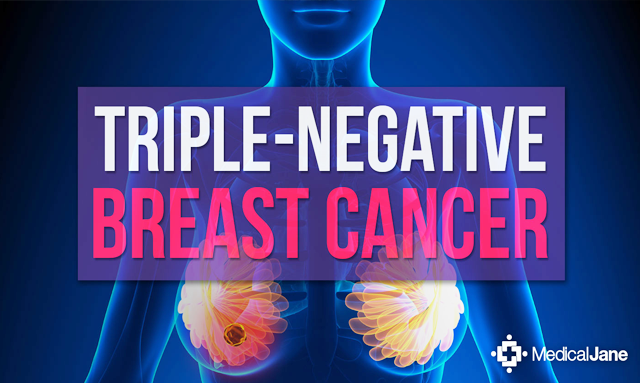
Studies Show Cannabinoids May Help Fight Triple-Negative Breast Cancer
In the United States alone, breast cancer affects hundreds of thousands of women and many men every year. Some non-invasive forms of the disease are relatively treatable, but many types are far more aggressive. What is Triple-Negative Breast Cancer? Triple-negative breast cancer (TNBC) is particularly challenging. Most breast cancers are largely drivenby hormone epidermal growth factor receptor 2 (HER-2), estrogen receptors, and/or progesterone receptors. Since TNBC cells do not express these receptors, there are less ways to fight them. Thankfully, at least some cell lines express cannabinoid receptors, making cannabinoids one of the only potential targeted treatments for TNBC. A …