Study: Cannabinoids May Prevent Movement Impairment Associated with Huntington’s Disease
An Introduction to Huntington’s Disease Huntington’s disease is a severely debilitating neurodegenerative disease caused by a genetic mutation. Although the exact mechanism is not fully known, the development of this mutated protein seems to lead to destruction of neurons in the basal ganglia, a part of the brain involved in movement regulation, and other areas. Patients with Huntington’s disease tend to experience significant dysfunction in movement, thought processing, and normal psychiatric functioning. Symptoms ordinarily begin in the 30s-40s, and patients usually pass away within 10 to 20 …

New Study: Cannabis Use May Lead to a Lower BMI
The Dangers of Obesity and Insulin Resistance Insulin is a hormone made in the pancreas and distributed throughout the body, which functions to help glucose (i.e. sugar) enter cells, so that it can be used as energy to fuel the body. When insulin resistance (“prediabetes”) develops, cells no longer respond to insulin, and therefore take less glucose out of the bloodstream. As a result, glucose levels begin to rise in the blood, and glucose attaches to a component of red blood cells (RBCs), called hemoglobin (the part of the RBC that holds oxygen). This leads to a …

Cannabis Therapy For the Treatment of Glaucoma Symptoms
What is Glaucoma? The optic nerve carries signals from the eye to the brain, resulting in vision. Glaucoma can lead to damage of the optic nerve, and untreated, long-standing glaucoma can lead to blindness. In many cases, this damage is caused by an increase in pressure within the eye (intra-ocular pressure), resulting from abnormalities with the amount of fluid in the front portion of the eye, called “aqueous humor“, which is produced by a part of the eye called the ciliary body. Pressure in the eye builds either due to (1) …

The Effect of Cannabinoid Therapy Use on Body Weight
A review, published in Innovations in Clinical Neuroscience July-August 2014, examines the research and information available on the impact of cannabis use on body weight. Their findings are summarized here. Summary One of the most well-known results of cannabis use is appetite stimulation, known commonly as “the munchies”. However, in studies on the effect of cannabis use in patients with cachexia (“loss of weight, muscle [wasting], fatigue, weakness, and significant loss of appetite in someone who is not actively trying to lose weight”) and anorexia (loss of appetite), …

Physician’s Organization in Canada Releases Guidelines for Prescribing Medical Cannabis for Pain
Prescribing Patients Medical Cannabis for Pain In December 2014, the College of Family Physicians of Canada published its preliminary recommendations for physicians recommending/prescribing smoked cannabis for chronic non-cancer pain in the organization’s journal, Canadian Family Physician. The authors reviewed the information available on cannabis for medical use, utilizing mainly level II (“well conducted observational studies”) and level III (“expert opinion”) evidence to create guidelines on the following aspects of medical cannabis use for chronic non-cancer pain: conditions recommended for use circumstances under which medical cannabis should not be recommended circumstances under which caution should be taken …

Study: Whole-Plant Cannabis as Add-On Therapy for Chronic Non-Cancer Pain
Researchers Study Patients With Non-Cancer Pain According to a recent study, of patients currently using prescribed opioids to control non-cancer pain, approximately 16% are also using whole-plant cannabis medicines for additional management. Additionally, approximately 25% report that they would use cannabis if it was made available to them. These results were published on December 2014 in the journal Drug and Alcohol Dependence. Data gathered for this study was taken from a sample population of 1,514 people taking part in the Pain and Opioids In Treatment (POINT) study in Australia. Other information gathered, characterizing patients using …
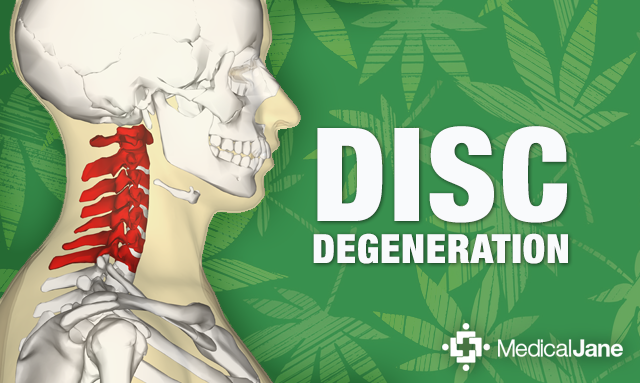
Study: Cannabidiol (CBD) May Prevent Degenerative Disc Disease
What is Intervertebral Disc Degeneration/Degenerative Disc Disease? Intervertebral discs sit between each vertebra (bone segments of the spine) and are comprised of fibrous cartilage. They act to stabilize and mobilize the spine, and also to absorb shock that results from movement, in order to prevent damage to the body. When intervertebral discs are damaged and degenerate (most commonly in the regions of the neck and lower back), the spine loses stability and mobility, and several complications can arise, including osteoarthritis (vertebrae start to rub together), herniation (discs bulge out and may compress nerves), and …
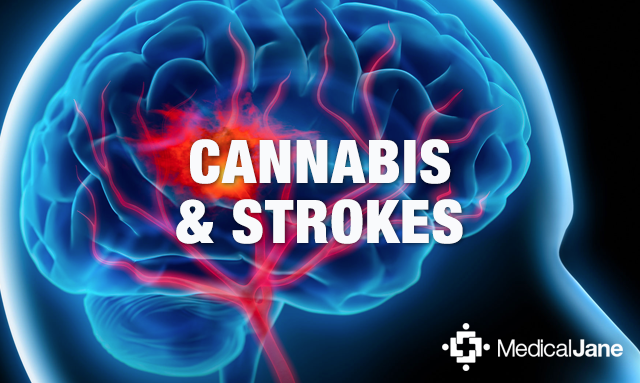
Study: Cannabis May Help Reduce Brain Damage Caused By Ischemic Strokes
What is a Stroke? Strokes, which are injuries to the brain caused by blockage of its blood supply, are the leading cause of severe and long-term disability in the United States. Strokes happen very frequently (approximately once every 40 seconds). Each year, approximately 795,000 people in the U.S. have a stroke, and death is caused in approximately 140,000 cases. Strokes most often occur in those with high blood pressure, and while strokes most often happen in the elderly, approximately 1/4 occur in those younger than 65. Since blood carries oxygen and nutrients to the …
The Beauty of Hemp Seed Oil
Hemp seed oil has been referenced to as nature’s perfect food due to its balanced concentrations of omega fatty acids. The human body needs these omega fatty acids for many functions, from building healthy cells to maintaining brain and nerve function. Our bodies can’t produce them. The only source is food. What Is Hemp Seed Oil? Hemp seed oil is nothing new. Throughout history, from continent to continent, hemp seed oil has been used in many cultures around the globe. Commonly used as a bath oil, lamp oil, cooking oil and even used to …
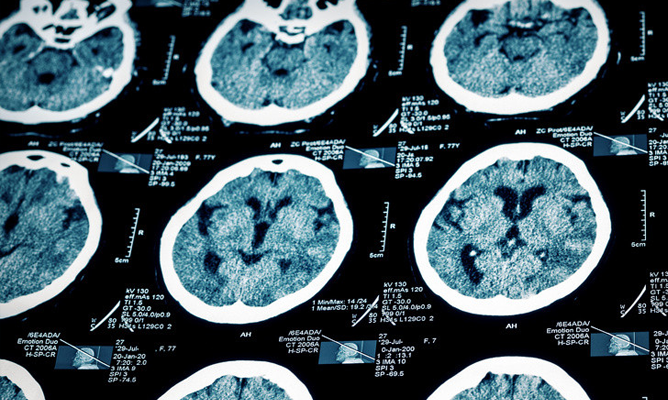
4 Mind Blowing Ways Cannabis Can Help Your Brain
1. Cannabinoids In Marijuana Help Your Brain Grow Did you know that your brain never really stops growing? Through a process called neurogenesis, new brain cells are constantly being created. Surprisingly, marijuana can assist in this process: a recent study from Italy has discovered that a lesser-known chemical in marijuana, called cannabichromene (CBC), can boost the growth of developing brain cells, thus promoting neurogenesis. According to the study, these developing brain cells are an “essential component of brain function and health.” Another study published in The International …